

( guide · d2c )
Shopify or a custom site? An honest answer.
By Aaryaman Mascarenhas, founder of EVOKE ·
For most D2C brands selling a standard catalogue, Shopify is the right place to run the store: it is quick to launch and handles orders, payments and apps. A custom website earns its cost when the site itself is part of why people buy, or when the product page has to do something a theme was not built for. The middle path, a custom-built front on a Shopify checkout, gives many brands both.
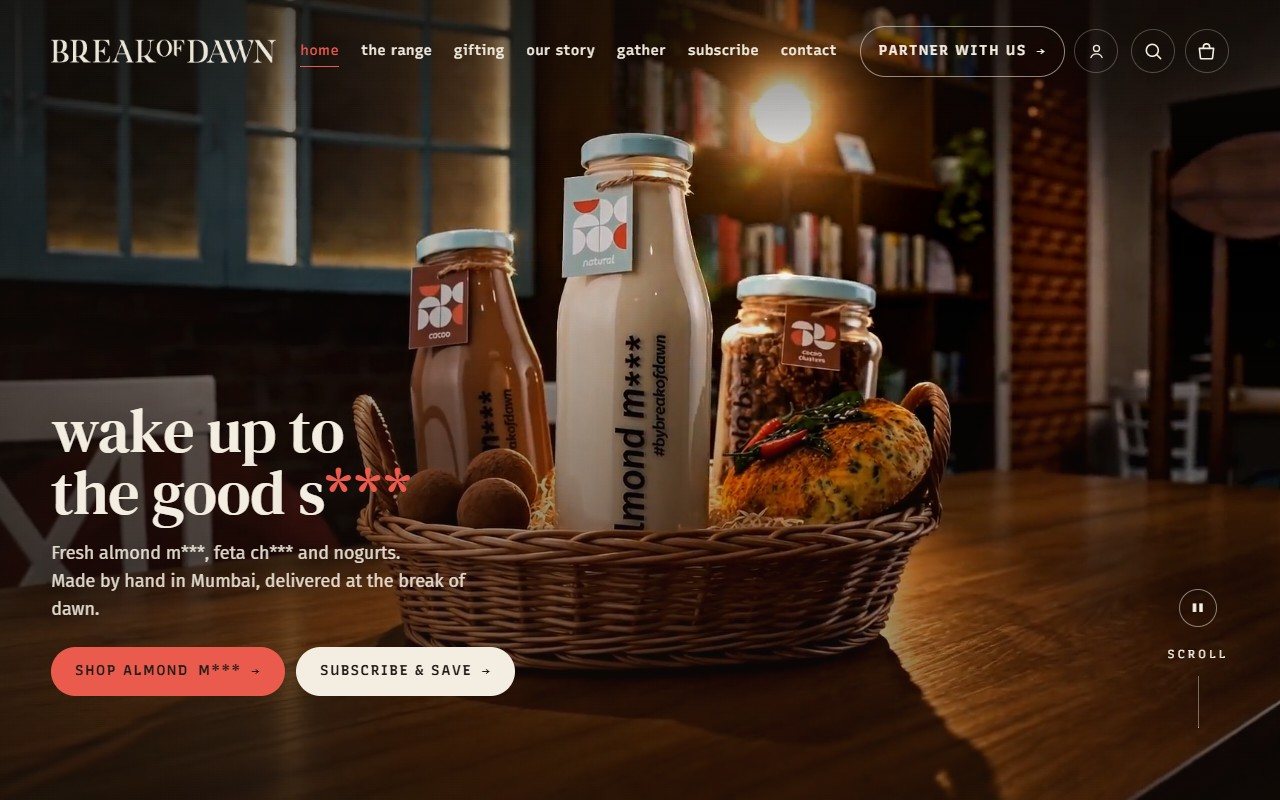

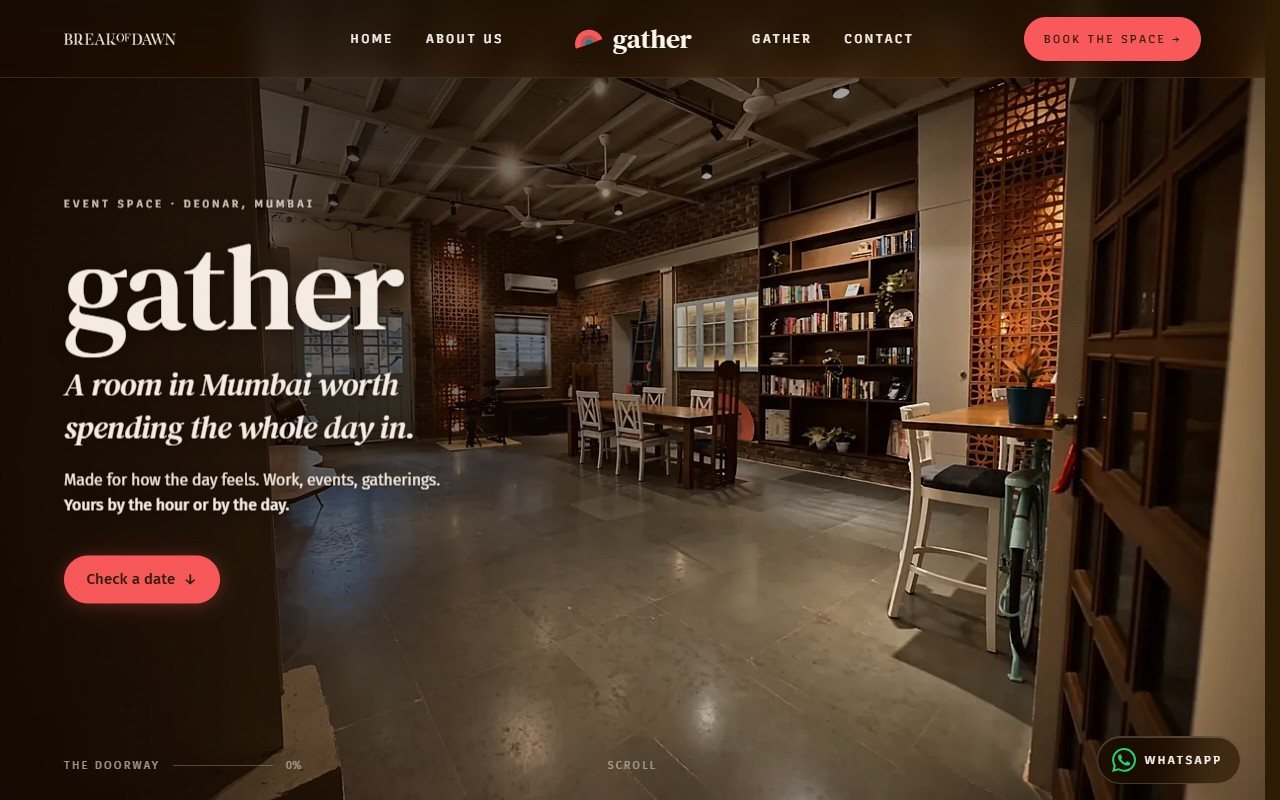
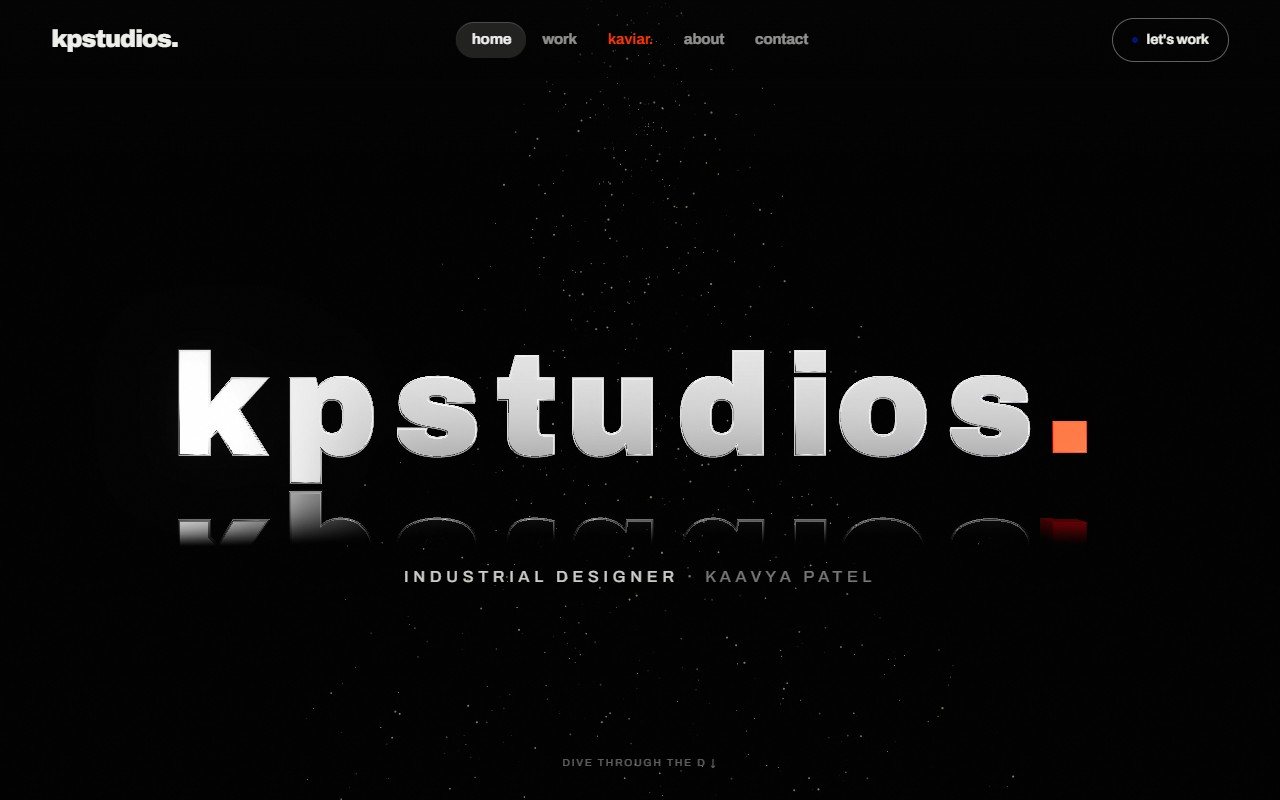

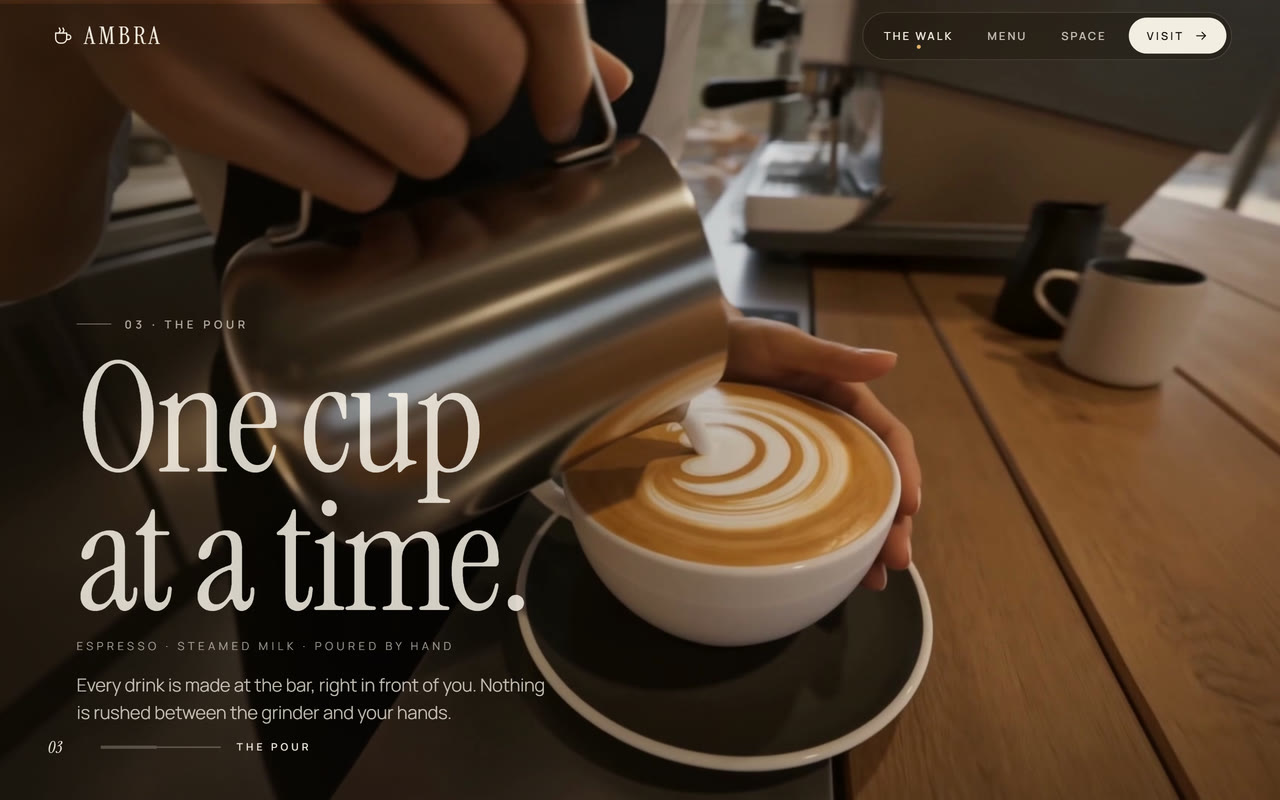
- Shopify
- when the catalogue is standard
- Custom
- when the site is why they buy
- Headless
- the middle path
What is the real difference?
Shopify is a platform: you rent the storefront, the checkout, the product database and an app store, and shape them within its themes and rules. A custom website is built for one brand, so the layout, the motion and the way the product is shown are not limited by a theme. The trade is freedom against convenience. Shopify does the running for you; custom lets you do anything, but someone has to look after it.
When is Shopify the right call?
When the catalogue is standard (products, variants, a cart), when speed to launch matters more than how the site feels, when there is no one to maintain a custom build, and when the brand is still finding out what sells. Apps cover subscriptions, reviews, bundles and shipping, and the platform absorbs the upkeep. For a new brand testing a product, starting here is usually sensible.
When does a custom website earn its cost?
When the brand is the reason people pay: premium food, beauty, design objects, anything where the first three seconds decide whether the price feels fair. When the product page has to do something a theme does not, like showing an object in 3D or pouring the product across the screen. And when the brand wants a site that looks like itself, not like a theme a hundred other brands use.
What is the middle path?
A custom-built site in front, with Shopify or another commerce platform running the cart, checkout and orders behind it. This is often called headless commerce. The brand gets a site designed from scratch and keeps a dependable checkout and back office. It costs more than a theme and less than building commerce from nothing.
| Shopify theme | Custom front, Shopify checkout | Fully custom | |
|---|---|---|---|
| Time to launch | Fastest | Longer than a theme | Longest |
| How it looks | Within the theme | Anything | Anything |
| Checkout and orders | Shopify | Shopify | Built or integrated |
| Who maintains it | Mostly the platform | The platform and a developer | A developer |
| Best for | New brands, standard catalogues | Brands whose site sells the product | Unusual products and flows |
What should you ask before deciding?
How many orders you expect over the next two years. How unusual your product page or buying flow is. Who will maintain the site after launch. Whether the site itself is part of why people buy. If the answers are "not many, standard, nobody, not really", start on Shopify. If they point the other way, a custom front is worth pricing.
Where EVOKE sits
EVOKE builds websites from scratch, so it is on the custom side of this question. Whether the checkout runs on Shopify or elsewhere depends on what the brand already uses, and it is settled in the scope on the first call. If a theme is the better answer for where the brand is, the call is the place to hear that.
Questions people ask
Is Shopify good for D2C brands in India?
Yes, for most brands with a standard catalogue. It is quick to launch, dependable at checkout and has apps for subscriptions, reviews and shipping. Brands outgrow a theme when the site itself needs to sell the feeling of the product.
Is a custom website better than Shopify?
Neither is better in general. Shopify is better at running a standard store with little upkeep; a custom site is better when the brand experience or the product page is the reason people buy.
What is headless Shopify?
A setup where a custom-built website handles everything the customer sees, and Shopify runs the cart, checkout, inventory and orders behind it.
Can EVOKE build on Shopify?
EVOKE builds sites from scratch. Whether the checkout runs on Shopify or elsewhere depends on what the brand already uses, and it is settled in the scope on the first call.
Sources
One call is usually enough to know whether it is a fit.